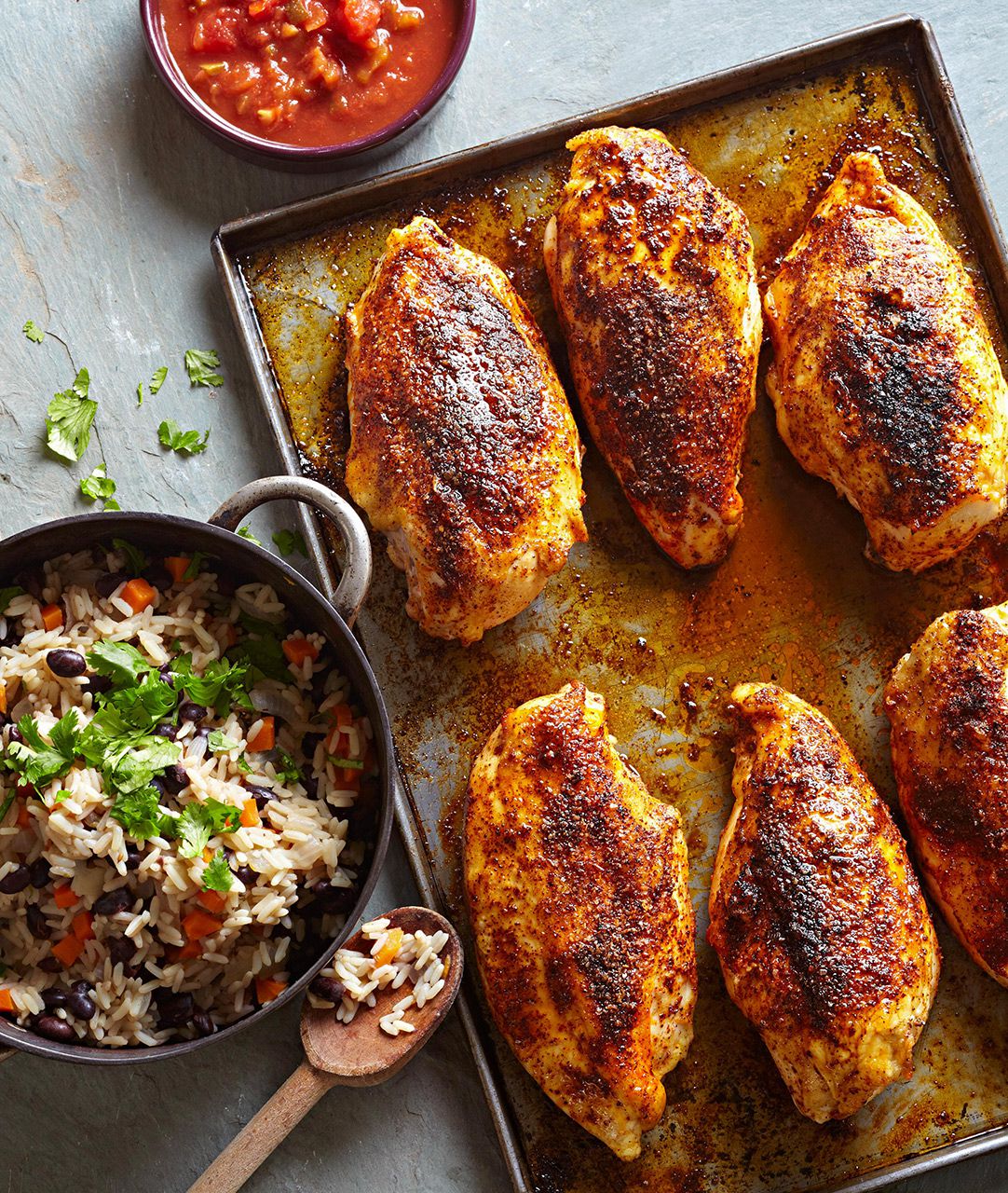
Achieving perfectly cooked chicken breast can feel like a culinary tightrope walk. Overcook it, and you're left with a dry, rubbery disappointment. Undercook it, and you risk food safety. But mastering the art of baking chicken breast in the oven is more straightforward than you might think, opening up a world of healthy, versatile, and delicious meal possibilities. This comprehensive guide will equip you with all the knowledge to consistently deliver tender, juicy, and safely cooked chicken every time, focusing on oven times, ideal temperatures, and the crucial 165°F doneness.
From quick weeknight dinners to efficient meal prep, oven-baked chicken breast is a lean, protein-packed staple that pairs beautifully with countless sides. The key to success lies in understanding a few fundamental principles: the type of chicken breast, the optimal oven temperature, and the absolute necessity of checking internal temperature. Let's demystify how long to cook chicken breast in oven for juicy results.
Understanding Your Chicken: Boneless, Skinless vs. Bone-In, Skin-On
Not all chicken breasts are created equal, and their differences significantly impact cooking times and the final outcome. The two primary types you'll encounter at the meat counter are boneless, skinless, and bone-in, skin-on. While they originate from the same part of the bird, their cooking characteristics vary widely.
- Boneless, Skinless Chicken Breasts: These are the most common choice for their convenience and lean profile. They cook relatively quickly and absorb marinades well. However, their lack of bone and protective skin means they are more susceptible to drying out if overcooked. They are excellent for slicing into salads, sandwiches, or incorporating into stir-fries.
- Bone-In, Skin-On Chicken Breasts: Often considered the connoisseur's choice, these breasts boast superior flavor and juiciness. The bone acts as a natural heat conductor, helping the meat cook more evenly, while the skin renders fat, basting the meat and adding incredible crispiness and taste. While they take longer to cook, the extra effort is often rewarded with a more succulent and flavorful dish, reminiscent of a classic roast chicken. Don't be intimidated by the bone and skin; they are your allies in achieving culinary excellence!
Regardless of your choice, the size and thickness of individual breasts will always influence cooking duration. Larger, thicker breasts naturally require more time in the oven.
The Ideal Oven Temperature for Perfect Chicken Breast
Setting your oven to the right temperature is foundational to achieving tender, evenly cooked chicken breast without drying it out. Many culinary experts, including those at Food Network Kitchen, advocate for a 375°F (190°C) oven temperature for baked chicken breast. Here's why this temperature is often the sweet spot:
- Even Cooking: 375°F allows the chicken to cook through efficiently without the exterior browning too quickly before the interior is done. This prevents the dreaded raw-in-the-middle, burnt-on-the-outside scenario.
- Moisture Retention: While high enough to cook relatively quickly, 375°F isn't so aggressive that it rapidly evaporates the chicken's natural juices. This contributes significantly to a tender and moist final product.
- Versatility: This temperature is suitable for a wide range of recipes, from simple seasoned breasts to those baked with vegetables or sauces.
While 375°F is a fantastic starting point, some recipes might call for slightly different temperatures (e.g., 400°F for quicker cooking and crispier skin, or 350°F for slower, gentler cooking if paired with other ingredients). Always defer to your specific recipe, but if you're going freestyle, 375°F is your reliable go-to for master oven chicken: essential times, temps & tips for juicy breasts.
How Long to Bake Chicken Breast: A Comprehensive Timing Guide
Once your oven is preheated to 375°F, the next critical factor is timing. Remember, these are general guidelines; always account for variations in breast size and oven calibration. An instant-read thermometer remains your ultimate tool for accuracy.
Timing for Boneless, Skinless Chicken Breasts (375°F)
For large boneless, skinless chicken breasts (typically 6-8 oz or around 1-inch thick at the thickest part):
- 20-30 minutes
Tips for Boneless, Skinless:
- Pound to Even Thickness: If your chicken breasts have particularly thick ends and thin ends, consider gently pounding them to a more uniform 3/4 to 1-inch thickness. This ensures even cooking and prevents the thinner parts from drying out while you wait for the thicker parts to cook through.
- Marinades and Brines: These can significantly enhance flavor and moisture. Even a short 30-minute brine in salted water can make a noticeable difference in juiciness.
Timing for Bone-In, Skin-On Chicken Breasts (375°F)
For large bone-in, skin-on chicken breasts (typically 10-12 oz or larger):
- 35-40 minutes
Tips for Bone-In, Skin-On:
- Crispy Skin: For extra crispy skin, pat the chicken breasts very dry with paper towels before seasoning and baking. You can also start them skin-side down in an oven-safe skillet on the stovetop for a few minutes before transferring to the oven, or finish under a broiler for a minute or two (watch carefully!).
- Seasoning Under the Skin: Gently lift the skin and rub seasonings directly onto the meat for deeper flavor penetration.
Factors Affecting Baking Time:
- Thickness: The single biggest variable. A very thin breast will cook faster; a very thick one will take longer.
- Starting Temperature: Chicken taken directly from the refrigerator will take slightly longer to cook than chicken that has rested at room temperature for 15-30 minutes.
- Oven Calibration: Ovens can vary. An oven thermometer can help verify your oven's true temperature.
- Crowding: Don't overcrowd your baking dish. Give the chicken breasts space to allow hot air to circulate, promoting even cooking and browning.
The Golden Rule: Achieving 165°F Doneness with an Instant-Read Thermometer
While timing guidelines are helpful, they are just that—guidelines. The only truly reliable way to know if your chicken breast is safely cooked and perfectly juicy is by checking its internal temperature with an instant-read thermometer. This tool is arguably your most important ally in the kitchen.
How to Use an Instant-Read Thermometer:
- Towards the end of the recommended cooking time, remove the chicken breast from the oven.
- Insert the probe of the instant-read thermometer into the thickest part of the breast, being careful not to touch any bones (which can give a false reading).
- Wait a few seconds for the temperature to stabilize.
- You are looking for a final internal temperature of 165°F (74°C). This is the safe minimum internal temperature for poultry, ensuring any harmful bacteria are destroyed while retaining optimal juiciness.
- If the temperature is below 165°F, return the chicken to the oven and continue cooking, checking every 3-5 minutes until it reaches the target temperature.
What about the "no pink" test? While cutting into the chicken to check for pinkness can offer a visual clue, it's less reliable. Chicken can still be pink even when fully cooked, or appear white but still be undercooked in its thickest part. Furthermore, cutting into the chicken releases precious juices, potentially leading to a drier result. Trust your thermometer above all else!
The Crucial Step: Resting Your Baked Chicken Breast
Once your chicken breast reaches 165°F, your journey to perfection isn't quite over. Resist the urge to slice into it immediately! Resting is a non-negotiable step that locks in moisture and flavor.
After removing the chicken from the oven, transfer it to a cutting board and loosely tent it with aluminum foil. Allow it to rest for at least 5-10 minutes (10 minutes is ideal for larger breasts). During this time, the muscle fibers relax, and the juices, which have been pushed to the center of the meat during cooking, redistribute evenly throughout the breast. Slicing too soon will cause these juices to gush out onto your cutting board, leaving you with a drier piece of meat. Patience truly is a virtue here!
Beyond the Basics: Tips for Extra Juicy & Flavorful Results
To truly elevate your oven-baked chicken breast, consider these additional tips:
- Brining: A simple brine (1 tablespoon salt per cup of water) for 30 minutes to 4 hours can dramatically increase the chicken's moisture content, making it incredibly juicy.
- Marinades: Acidic marinades (containing citrus, vinegar, or yogurt) tenderize the meat and infuse it with flavor. Oil-based marinades protect against drying out.
- Season Liberally: Don't be shy with seasonings! Salt, pepper, garlic powder, onion powder, paprika, and herbs like thyme or rosemary are fantastic choices.
- Don't Overcook: This bears repeating: 165°F is your target. Every degree beyond that risks dryness.
- Pan Juices: After resting, don't discard any juices left in the baking pan or on the cutting board. They are pure flavor gold and can be spooned over the sliced chicken or used to make a quick pan sauce.
Conclusion
Mastering oven-baked chicken breast transforms a simple ingredient into a versatile and satisfying meal component. By understanding the nuances between boneless and bone-in, maintaining an ideal oven temperature of 375°F, and meticulously checking for 165°F doneness with an instant-read thermometer, you unlock the secret to consistently tender, juicy results. Remember the critical resting period, and don't hesitate to experiment with brines, marinades, and seasonings to personalize your perfect chicken. With these tips and techniques, you're now equipped to bake chicken breast like a seasoned pro, ensuring delicious and safe meals every time.
